Welcome to the vibrant capital city of India – Delhi! Upon arrival at the airport, our representative will greet you and assist with hotel transfer. Overnight in Delhi.
After breakfast, drive towards Mandawa, a beautiful town known as the Open Art Gallery of Rajasthan.
"open-air art gallery."Explore the stunning frescoes and wall paintings depicting royal life.
Experience the rustic charm of rural Rajasthan with a guided walk.
After breakfast, proceed to Bikaner, a desert city famous for its heritage and forts. The city was part of the Silk Route.
500-year-old forts, streets that smell of fresh bhujia, and the world’s most unusual temple. No crowds, just raw desert magic.
Built in 1589, this magnificent fort houses palaces, temples, and courtyards.
Stroll through the narrow lanes filled with havelis and local sweets like Bikaneri Bhujia.
Visit the ancient temple known for its marble work and spiritual ambiance. The temple is dedicated to Sumatinatha.
After breakfast, drive towards the Golden City — Jaisalmer. On arrival, begin exploring: Pokaran Fort : { Duration 1–2 hours } On the way, visit this historic 14th-century fort known for its architecture. It has gained modern historical significance as the site of India's first underground nuclear weapon detonation in 1974 and subsequent tests in 1998.
The Golden City of Rajasthan offers a unique desert experience with its majestic fort, beautifully carved havelis, and unforgettable camel safaris across the Thar Desert. The city was established in the heart of the Thar Desert and built the magnificent Jaisalmer Fort, which became the center of power and life in the region. Due to its strategic location on ancient trade routes connecting India with Central Asia, Jaisalmer flourished as an important trading hub.
A peaceful garden complex of royal cenotaphs offering stunning sunset views. Bada Bagh, also called Barabagh, is a garden complex located about six kilometers north of Jaisalmer in the Indian state of Rajasthan.
A UNESCO World Heritage Site, still home to locals within its golden walls. It is one of the very few "living forts" in the world, as nearly one-fourth of the old city's population still resides within the fort. For the better part of its 860-year history, the fort was the city of Jaisalmer.
A cluster of five havelis famous for intricate carvings. Constructed from yellow sandstone, the haveli showcases intricate carvings and is a significant example of traditional Rajasthani architecture with both Rajput and Mughal influences.
Enjoy a serene walk and feed the fish by the lake.
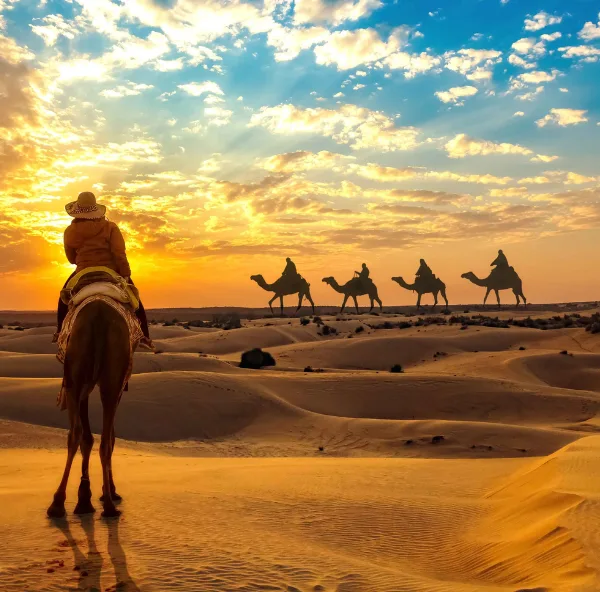
Experience a golden sunset over the Thar Desert. A camel ride at Sam Sand Dunes offers a classic desert experience, including a short sunset camel ride and traditional folk dance programme (optional).
Overnight in Jaisalmer.
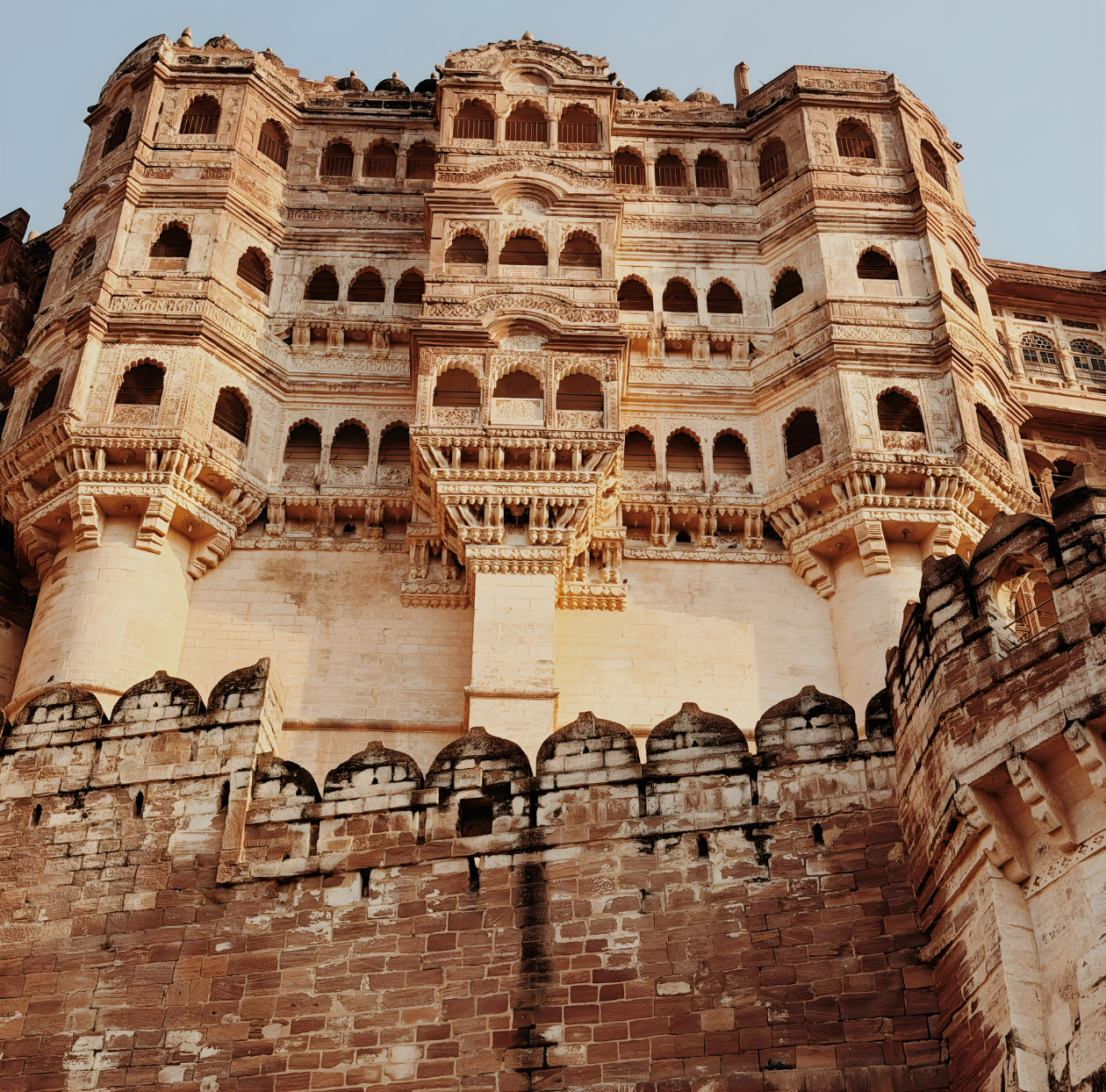
The Blue City of Rajasthan, famous for its striking blue-painted houses and rich royal heritage.
One of India’s largest forts, with panoramic views of the blue-painted houses. Built in the 15th century.
A marble cenotaph built in memory of Maharaja Jaswant Singh II. The complex also features beautiful gardens, a small lake, and portraits of the rulers of Jodhpur.
Explore the old town’s vibrant blue alleys and bustling bazaars.
On arrival, the city is one of the most romantic destinations in India. Surrounded by the Aravalli Hills, it is famous for beautiful lakes like Lake Pichola, stunning palaces, temples, and artificial lakes, making it a center of art, culture, and royal living.
Witness Rajasthani culture through traditional dance at Bagore Ki Haveli.
Enjoy a peaceful stroll around Lake Pichola as the sun sets.
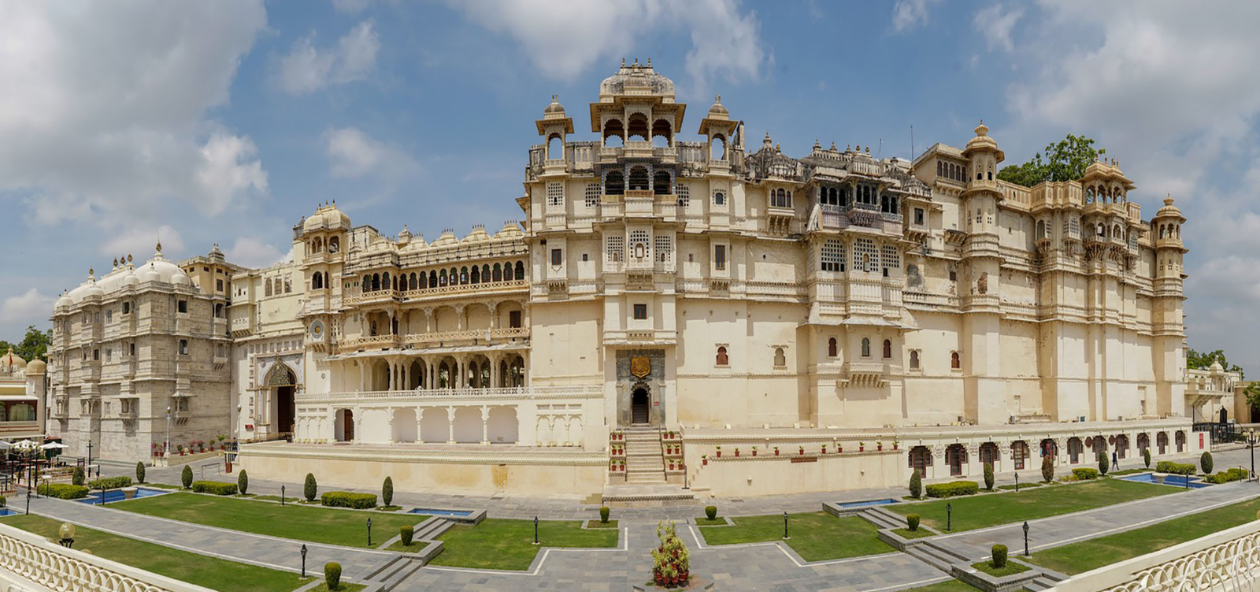
A grand complex overlooking Lake Pichola with museums and courtyards. Boat ride on Lake Pichola offers views of Jag Mandir and Lake Palace.
Visit the royal garden of fountains built for princesses.
Explore narrow streets, handicraft shops, and vibrant art galleries.
In 1876, the city was painted pink to welcome Prince Albert, symbolizing hospitality. Since then, Jaipur has been known as the “Pink City.” This historic city beautifully blends royal heritage, colorful culture, and architectural brilliance.
A royal residence and former administrative headquarters of the rulers of Jaipur State. Construction started after the establishment of Jaipur under Maharaja Sawai Jai Singh II in 1727.
An ancient astronomical observatory featuring 19 instruments and the world’s largest stone sundial. A UNESCO World Heritage Site.
Discover colorful bazaars, local artisans, and traditional Rajasthani life.
One of the most iconic landmarks of Jaipur, known for its honeycomb-shaped structure and pink sandstone architecture.
A historic stepwell near Amber Fort known for symmetrical stairways and unique architecture.
A majestic fort blending Hindu and Mughal architecture, built with red sandstone and white marble in the late 16th century. A UNESCO World Heritage Site.
Photo stop at the scenic Water Palace.
A peaceful site known for royal cenotaphs of the Kachwaha rulers.
A magnificent 16th-century city built by Mughal Emperor Akbar. Once the capital of the Mughal Empire, later abandoned due to water scarcity. A UNESCO World Heritage Site.
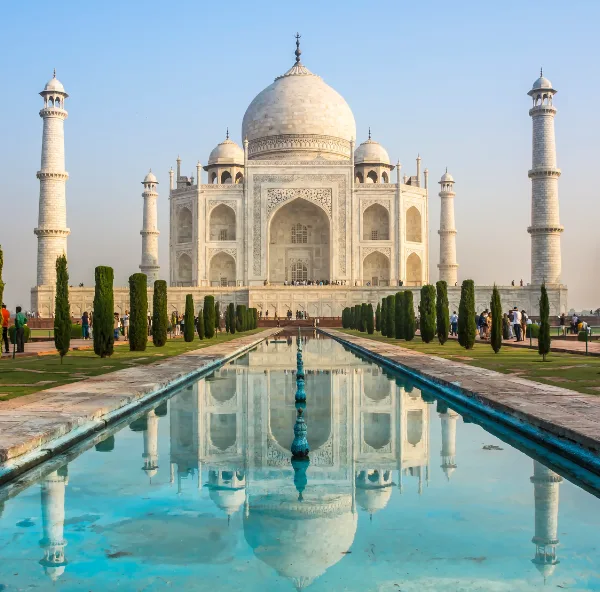
A historic city on the banks of the Yamuna River, famous for Mughal heritage and the Taj Mahal, one of the Seven Wonders of the World.
A grand red sandstone fort built by Emperor Akbar in the 16th century.
A Mughal garden located opposite the Taj Mahal on the Yamuna River.
Early morning visit to witness the marble beauty glowing in the first light of dawn. The Taj Mahal is an ivory-white marble mausoleum built by Mughal Emperor Shah Jahan in memory of his wife Mumtaz Mahal. It is a masterpiece of Mughal architecture and a symbol of eternal love.
After breakfast, you will be dropped at Delhi International Airport for your onward journey.
Get your custom itinerary designed by local travel experts within 24 hours.
Copyright © Go India Trip, All Rights Reserved.