Language
5 (45 Review)
11 Days
1 to 10 People
Explore Rajasthan’s heritage, forts, palaces, and deserts in a 11-day immersive cultural journey.
Experience the royal charm of Rajasthan in 11 days, exploring majestic forts, palaces, vibrant markets, desert landscapes, and rich cultural heritage.
Welcome to the vibrant capital city of India – Delhi! Upon arrival at the airport, our representative will greet you and assist with hotel transfer. Spend the day relaxing after your journey or exploring nearby markets at leisure.
Overnight stay in Delhi.
After breakfast, drive towards Mandawa, a beautiful town known as the Open Art Gallery of Rajasthan.
Mandawa is a town in the Jhunjhunu district of Rajasthan, India, famous for its painted havelis (mansions) and fort, earning it the nickname "open-air art gallery". It is known for its rich cultural heritage, intricate frescoes, and traditional handicrafts, attracting tourists interested in history and art.
Overnight stay at hotel in Mandawa.
After breakfast, proceed to Bikaner, a desert city famous for its heritage and forts.
Junagarh Fort is a fort in the city of Bikaner, Rajasthan, India. The fort was originally called Chintamani and was renamed Junagarh or "Old Fort" in the early 20th century when the ruling family moved to Lalgarh Palace outside the fort limits.
This temple was constructed by Bhandasa Oswal in the 12th century. The temple is dedicated to Sumatinatha, the 5th tirthankara. According to legends, 40,000 kg of ghee instead of water was used in preparing the mortar for the construction of this temple.
Overnight stay at hotel in Bikaner.
After breakfast, drive towards the Golden City — Jaisalmer. On arrival, begin exploring:
Pokhran Fort, also known as Balagarh, was built in the 14th century by the Rathore clan and is situated in the Thar Desert near Jaisalmer. This heritage site showcases Rajput architecture with palaces, courtyards, and a museum, and it has gained modern historical significance as the site of India's first underground nuclear weapon detonation in 1974 and subsequent tests in 1998.
Bada Bagh, also called Barabagh is a garden complex located about six kilometers north of Jaisalmer in the Indian state of Rajasthan. Overlooking a mango plantation sits a set of royal chhatri cenotaphs constructed by the kings of the Jaisalmer State in the 18th, 19th and early 20th centuries CE.
Overnight stay at hotel in Jaisalmer.
After breakfast, enjoy sightseeing in this golden-hued desert city.
Jaisalmer Fort is situated in the city of Jaisalmer, in the Indian state of Rajasthan. It is one of the very few "living forts" in the world, as nearly one fourth of the old city's population still resides within the fort. For the better part of its 860-year history, the fort was the city of Jaisalmer.
Patwon ki Haveli is a complex of five interconnected mansions in Jaisalmer, Rajasthan, built between 1805 and 1860 by wealthy merchant Guman Chand Patwa for his sons. Constructed from yellow sandstone, the haveli showcases intricate carvings and is a significant example of traditional Rajasthani architecture with both Rajput and Mughal influences. After the Patwa family left, the havelis were sold and eventually became a cultural landmark, with one mansion now housing a museum.
Gadisar Lake is an artificial lake in Jaisalmer, Rajasthan, India. It was built by the founder of Jaisalmer, Rawal Jaisal Bhati in 1156 AD and later rebuilt by his successor Rawal Gadsi Bhati around 1367 AD. The lake is located about 1.5 km from Jaisalmer Fort.
Kuldhara is an abandoned village in the Jaisalmer district of Rajasthan, India, established in the 13th century by the Paliwal Brahmins. It is known as a "ghost village" because its inhabitants vanished overnight around 1825, leaving behind their homes and streets, and it is now an eerie, deserted site filled with legends and mystery. While local folklore attributes the abandonment to a curse or an unjust ruler, scientific investigations suggest the community may have migrated to other settlements.
A camel ride at Sam Sand Dunes offers a classic desert experience, with options ranging from short sunset rides to full-day or overnight packages that include traditional activities and meals. A short sunset camel ride can start from around INR 950 per person, while longer packages may cost INR 2100 or more and include folk performances, dinner, and camping
Overnight stay at Desert Camp / Hotel in Jaisalmer.
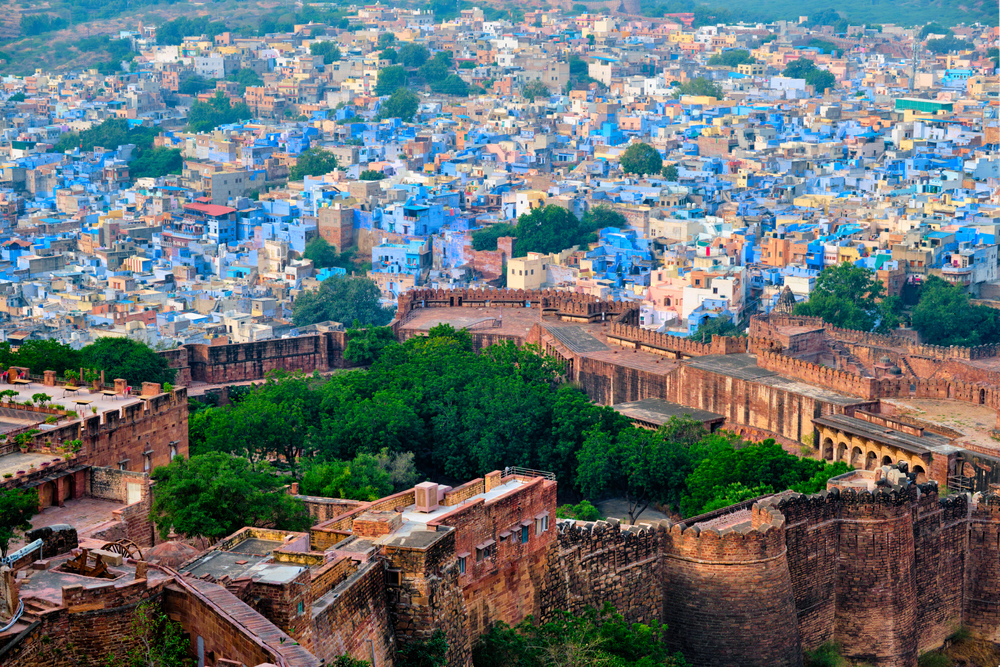
After breakfast, drive to Jodhpur, the Blue City of Rajasthan.
Mehrangarh Fort is a massive 15th-century fortress in Jodhpur, Rajasthan, India, that is built on a hilltop and is home to a museum containing relics of Indian courtly life. Constructed by Rao Jodha, the fort is notable for its impressive architecture, rich history, and stunning views of the surrounding "Blue City"
Jaswant Thada is a white marble cenotaph (memorial) in Jodhpur, Rajasthan, built in 1899 by Maharaja Sardar Singh to honor his father, Maharaja Jaswant Singh II. Also known as the "Taj Mahal of Marwar," it is renowned for its intricate Rajputana-style architecture, which includes thin, polished marble slabs that give off a warm glow in the sunlight. The complex also features beautiful gardens, a small lake, and portraits of the rulers of Jodhpur.
Overnight stay at hotel in Jodhpur.
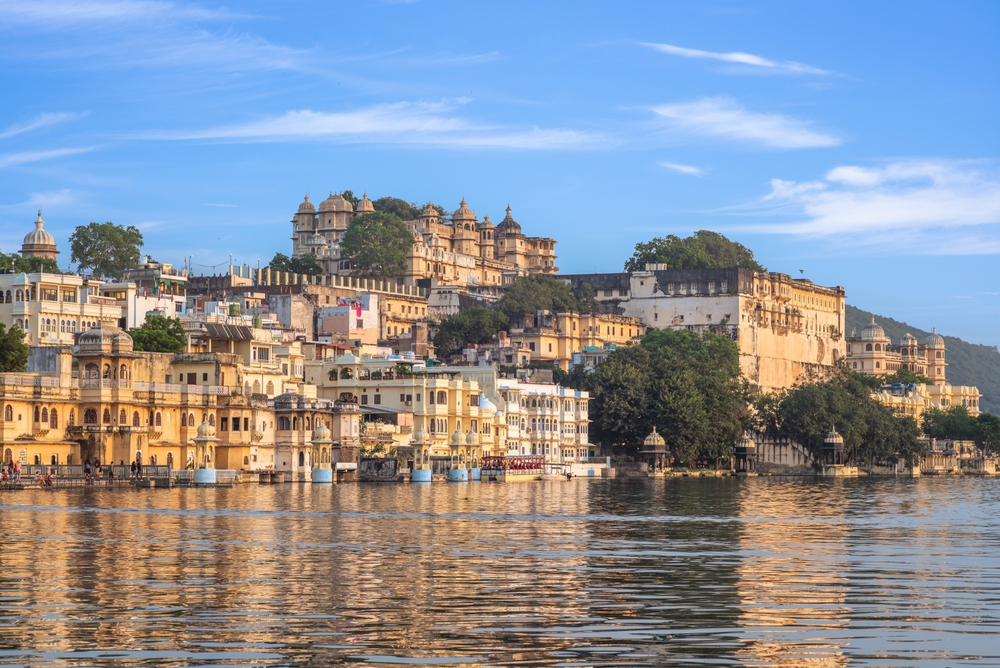
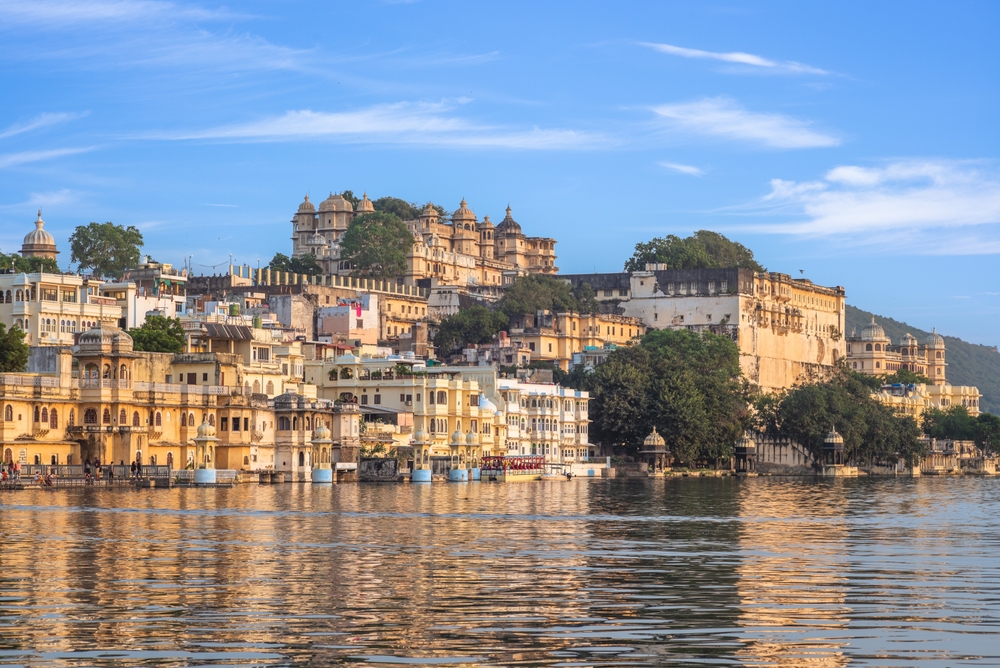
After breakfast, head towards Udaipur, the City of Lakes. On arrival, enjoy:
Lake Pichola, in Udaipur city in the Indian state of Rajasthan, is an artificial fresh water lake, created in the year 1362, named after the nearby Picholi village. It is one of the several contiguous lakes, and developed over the last few centuries in and around Udaipur city.
Overnight stay at hotel in Udaipur.
After breakfast, explore the romantic and royal beauty of Udaipur.
City Palace, Udaipur is a palace complex situated in the city of Udaipur in the Indian state of Rajasthan. It was built over a period of nearly 400 years, with contributions from several rulers of the Mewar dynasty.
Saheliyon-ki-Bari is a major garden and a popular tourist space in Udaipur in the Indian state of Rajasthan. It lies in the northern part of the city and has fountains and kiosks, a lotus pool and marble elephants. It was built by Rana Sangram Singh.
An old city heritage walk in Udaipur typically includes exploring landmarks around Lake Pichola like the City Palace, Jagdish Temple, and Bagore Ki Haveli, along with visiting historic step wells and local markets. These guided tours often provide cultural insights and are designed to connect thematic cultural sites for a deeper visitor experience.
Overnight stay at hotel in Udaipur.
After breakfast, drive to Jaipur, the royal Pink City. Upon arrival, visit:
The City Palace, Jaipur is a royal residence and former administrative headquarters of the rulers of the Jaipur State in Jaipur, Rajasthan. Construction started soon after the establishment of the city of Jaipur under the reign of Maharaja Sawai Jai Singh II, who moved his court to Jaipur from Amber, in 1727.
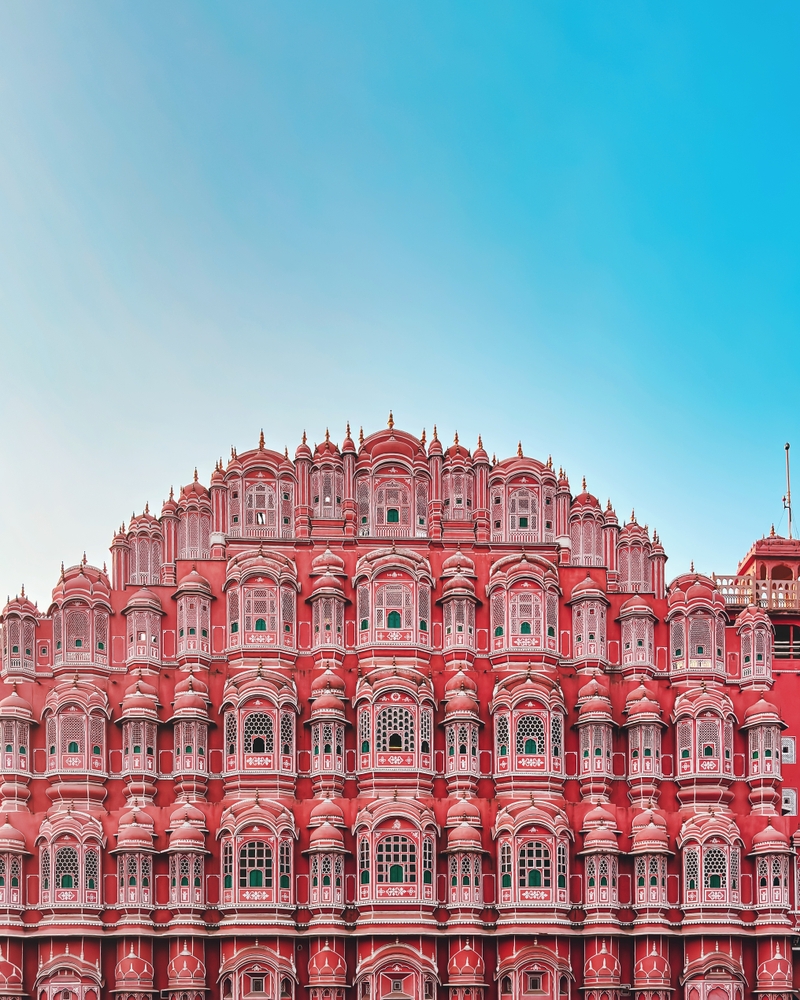
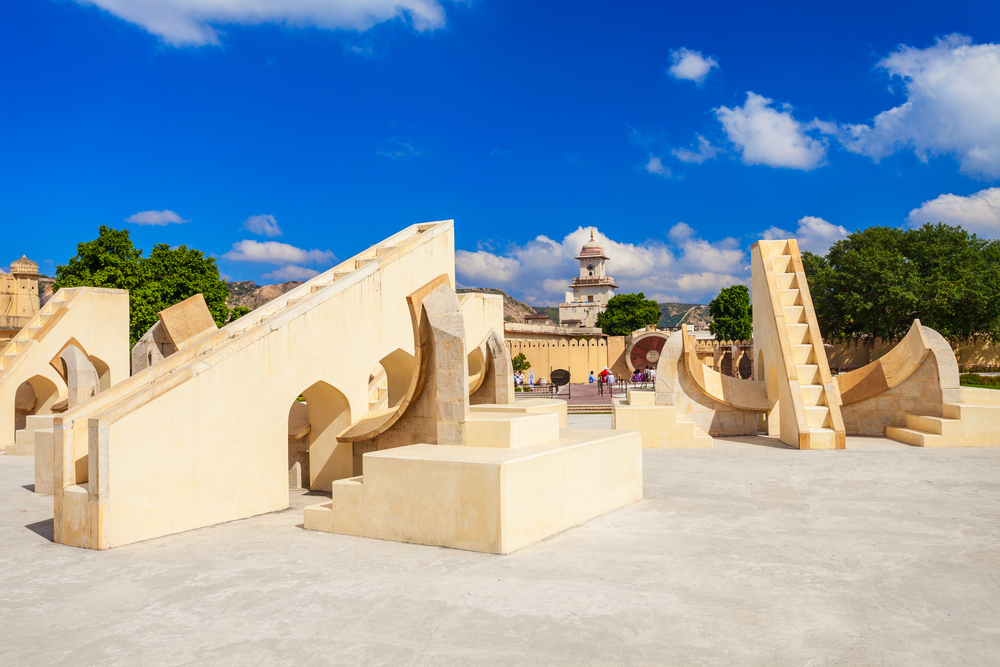
The Jantar Mantar is a collection of 19 astronomical instruments built by the Rajput king Sawai Jai Singh, the founder of Jaipur, Rajasthan. The monument was completed in 1734. It features the world's largest stone sundial, and is a UNESCO World Heritage Site. It is near City Palace and Hawa Mahal.
Overnight stay at hotel in Jaipur.
After breakfast, begin your sightseeing in Jaipur before heading to Agra.
Amber Fort is a historic fort in Jaipur, India, known for its blend of Hindu and Mughal architecture, built with red sandstone and white marble in the late 16th century. Located on a hilltop, it served as the capital for the Kachhwaha Rajputs and is now a UNESCO World Heritage site. Key features include its palace complex, intricate carvings, mirror work, and a secret tunnel connecting it to the nearby Jaigarh Fort.
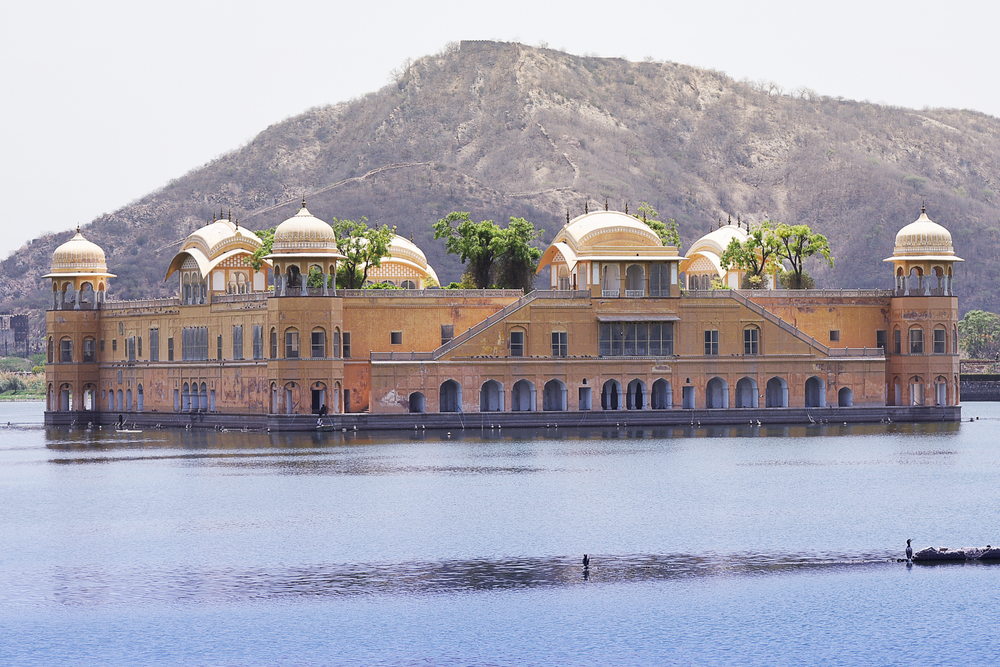
Jal Mahal is a palace in the middle of the Man Sagar Lake in Jaipur city, the capital of the state of Rajasthan, India. The palace was originally constructed around 1699; the building and the lake around it were later renovated and enlarged in the early 18th century by Maharaja Jai Singh II of Amber.
Overnight stay at hotel in Agra.
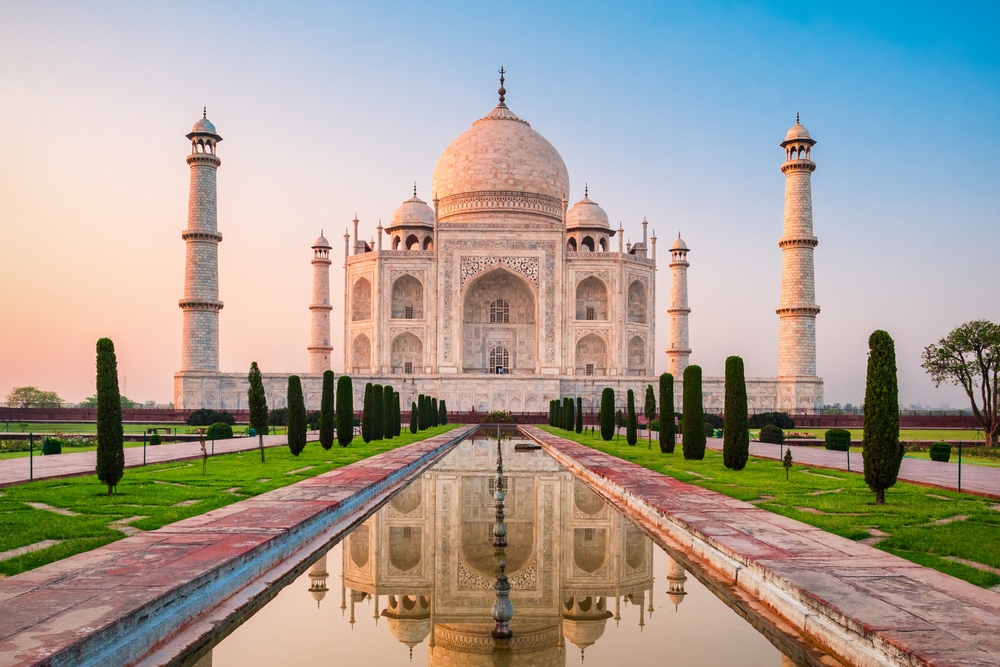
Early morning visit to the world-famous Taj Mahal — witness its marble beauty glowing in the first light of dawn.
The Taj Mahal is an ivory-white marble mausoleum in Agra, India, built by Mughal emperor Shah Jahan as a tomb for his wife, Mumtaz Mahal. Considered a masterpiece of Mughal architecture and a symbol of India's rich history, the complex also includes a mosque, guest house, gardens, and a wall. Commissioned in 1632, the main mausoleum was completed in 1648, with the surrounding buildings and gardens finished by 1653.
After breakfast, you’ll be dropped off at Agra / Delhi Airport or Railway Station for your onward journey.
Duration:
11 Days
Group Size:
1 to 10 People
Rating:
⭐ 5/5



.jpg)
.jpeg)